

How to Use Towing Mode on Your Chevy Silverado 1500 [2026]
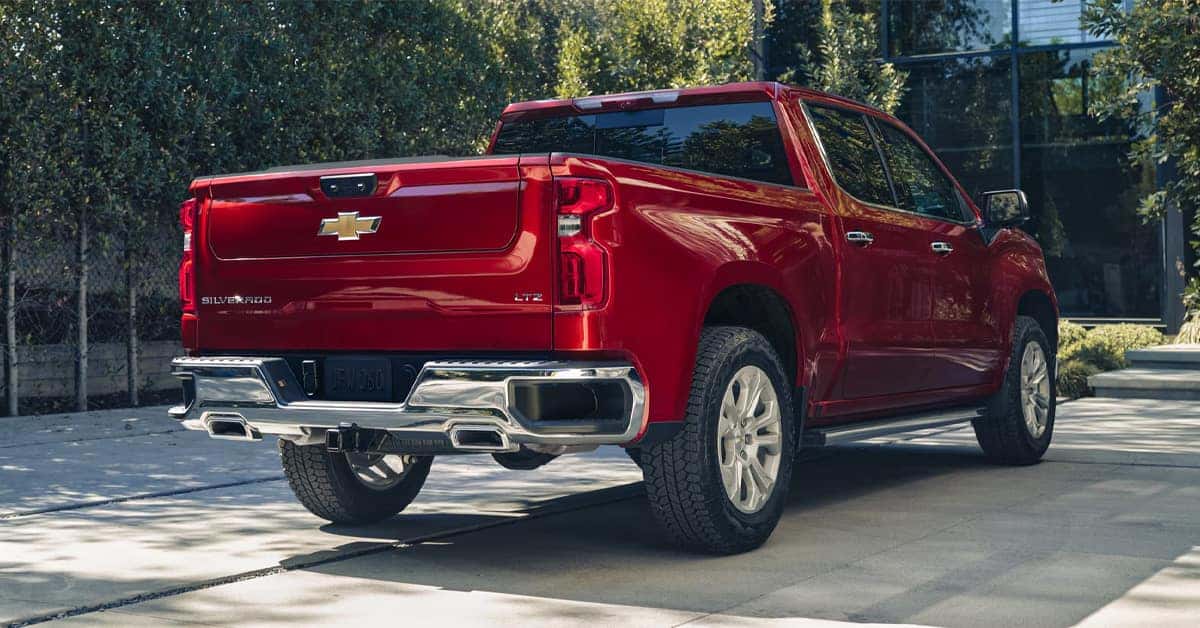
Using Tow/Haul mode correctly can make towing safer, smoother, and less stressful. When activated, the system adjusts your Chevrolet Silverado 1500‘s transmission to improve acceleration, reduce unnecessary shifting, and provide additional engine braking when hauling heavy loads. Whether you’re towing a camper, boat, or work trailer, knowing when and how to use this feature helps maximize both performance and confidence on the road.
At Applegate Chevrolet, we’ve proudly served drivers throughout Flint and Mid-Michigan for more than 90 years. Whether you’re shopping for a new Chevrolet Silverado 1500, scheduling certified service, or looking for genuine GM parts and accessories, our knowledgeable team is here to help you get the most from your truck.
Activating Tow/Haul Mode
Using how to use towing mode Silverado is quick and straightforward. Most Silverado 1500 models allow you to activate Tow/Haul mode using the Traction Select System or a dedicated button located near the steering wheel or gear selector, depending on the model year and configuration.
To activate the feature:
- Start your Silverado 1500.
- Locate the Tow/Haul button or Traction Select control.
- Press the button or rotate the selector until the trailer icon appears.
- Confirm the Tow/Haul indicator illuminates on the instrument cluster.
Once activated, your truck automatically adjusts several vehicle systems to improve towing performance.
How Tow/Haul Mode Improves Performance
The Silverado 1500 Tow/Haul mode changes the transmission’s behavior to better handle additional weight behind the truck. Rather than shifting into higher gears too quickly, the transmission keeps the engine within its optimal power range.
Key benefits include:
- Holds gears longer during acceleration
- Reduces unnecessary gear hunting
- Improves towing stability
- Enhances engine braking on downhill grades
- Helps reduce transmission heat during heavy towing
These adjustments allow the truck to deliver smoother acceleration while helping protect important drivetrain components during demanding driving conditions.
When Tow/Haul Mode Should Be Used
Knowing when to use Tow/Haul mode is just as important as knowing how to activate it. This feature is designed specifically for situations where your truck is carrying extra weight or pulling a trailer.
Tow/Haul mode is recommended when:
- Towing a boat
- Pulling a camper or RV
- Hauling a utility trailer
- Carrying heavy cargo in the truck bed
- Driving through stop-and-go traffic while towing
- Climbing or descending steep hills with a trailer
Using Tow/Haul mode in these situations helps improve control while reducing wear on your transmission and braking system.
Trailering Features That Support Every Tow
Beyond transmission adjustments, the Silverado trailering features help drivers tow with greater confidence. Depending on trim level and equipment, the Silverado 1500 offers advanced technologies that simplify hitching, monitoring, and maneuvering a trailer.
Available trailering technologies may include:
- Integrated Trailer Brake Controller
- Trailer Sway Control
- Hitch Guidance
- Hitch View camera
- Trailer Theft Alert
- Trailer Tire Pressure Monitoring (when equipped)
- Multiple camera viewing angles
Combined with the impressive 2026 Chevy Silverado 1500 towing capacity, these features make the Silverado one of the most capable trucks for work, recreation, and everyday towing.
Turning Off Tow/Haul Mode
Tow/Haul mode should only be used when your truck is carrying additional weight. Once the trailer has been disconnected or the heavy load has been unloaded, it’s best to deactivate the feature.
Driving with Tow/Haul mode enabled unnecessarily may result in:
- Higher engine RPM
- More frequent downshifting
- Reduced fuel economy
- Less efficient everyday driving
Turning the system off allows the transmission to return to its normal shift pattern for daily commuting and highway travel.
What does Tow/Haul mode do on the Silverado 1500?
Tow/Haul mode adjusts transmission shift points, reduces gear hunting, improves engine braking, and enhances towing performance when hauling heavy loads.
When should I use towing mode on my Silverado?
Use Tow/Haul mode whenever you’re towing a trailer, hauling heavy cargo, driving through hilly terrain, or navigating stop-and-go traffic with a load.
How much can the 2026 Silverado 1500 tow?
The 2026 Chevrolet Silverado 1500 towing capacity varies by engine, drivetrain, and equipment. Contact Applegate Chevrolet for specifications on your preferred configuration.
Does Tow/Haul mode use more fuel?
It can. Because the transmission holds lower gears longer and maintains higher engine RPMs, fuel consumption may increase while Tow/Haul mode is active.
What trailering technology comes on the Silverado 1500?
Depending on the trim, available features include Trailer Sway Control, an Integrated Trailer Brake Controller, Hitch Guidance, multiple camera views, Trailer Theft Alert, and Trailer Tire Pressure Monitoring.
Learn More at Applegate Chevrolet
Whether you’re new to towing or looking to get the most from your Chevrolet Silverado 1500, the team at Applegate Chevrolet is here to help. For more than 90 years, we’ve proudly served drivers throughout Flint, Burton, Grand Blanc, Swartz Creek, and surrounding Mid-Michigan communities with new Chevrolet trucks, certified service, genuine GM parts, and expert maintenance.
If you’re researching other Chevrolet diagnostics and maintenance topics, you may also find our guides on Error Code P0449, Error Code P0442, and Error Code P0171 helpful. Contact Applegate Chevrolet today to learn more about Silverado towing features, schedule service, or test drive a new Silverado 1500. Visit us!
Get Directions to Applegate Chevrolet
Disclaimer: All information is provided for general informational and entertainment purposes only. While we strive for accuracy, we cannot guarantee that all content is complete, current, or error-free. Any reliance you place on such information is strictly at your own risk. This article may include opinions and is not endorsed by, or officially affiliated with, any vehicle manufacturer or brand. Always consult official sources – such as the vehicle’s owner’s manual, authorized dealerships, or certified professionals – for the most up-to-date and personalized information.
0 comment(s) so far on How to Use Towing Mode on Your Chevy Silverado 1500 [2026]