

7 Potential Reasons Your Chevy Won’t Start [2026]
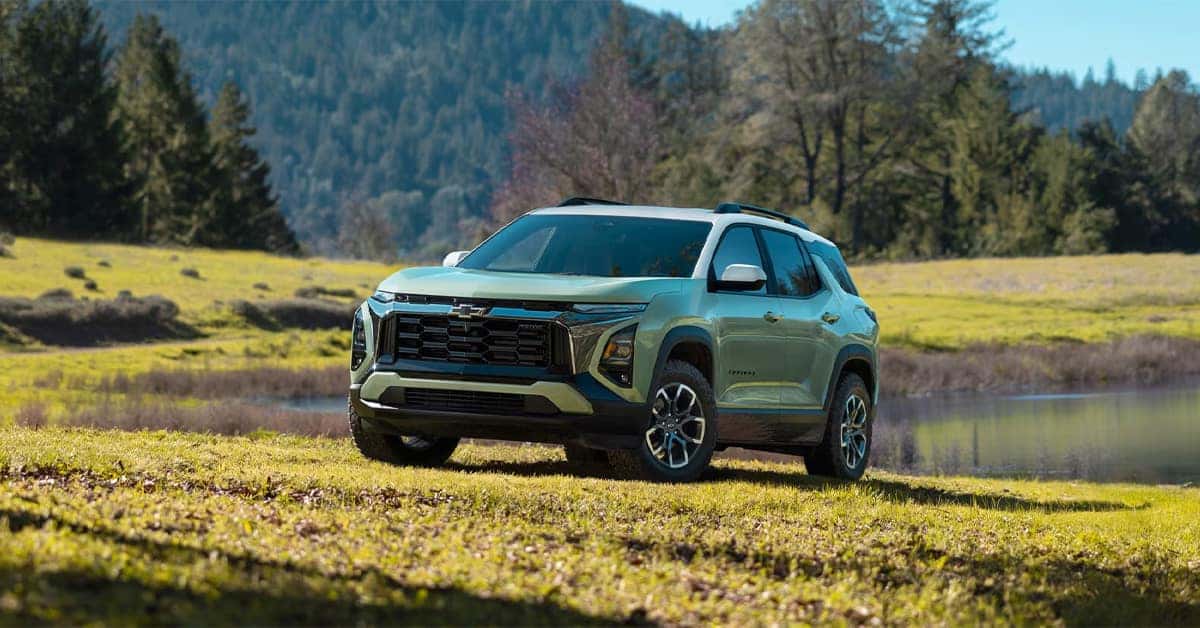
A Chevy that won’t start is often caused by a problem with the battery, starter, fuel system, ignition, or another critical component. While some issues can be resolved with a simple battery jump or terminal cleaning, others require professional diagnostics to identify the exact cause and prevent further damage.
At Applegate Chevrolet, we’ve proudly served drivers throughout Flint and Mid-Michigan for more than 90 years. Whether you need expert diagnostics, genuine Chevrolet parts, routine maintenance, or help finding your next Chevrolet Silverado 1500, Chevrolet Equinox, or Chevrolet Malibu, our team is here to provide dependable service every step of the way.
1. Dead or Weak Battery
The most common reason a Chevy won’t start is a dead or weakened battery. Every time you start your vehicle, the battery supplies the power needed to engage the starter motor and activate your vehicle’s electrical systems. As batteries age or experience extreme temperatures, their ability to hold a charge gradually decreases. Many Chevrolet owners notice warning signs before the battery fails completely.
Common Chevy dead battery symptoms include:
- Slow engine cranking
- Rapid clicking when turning the key
- Dim headlights or dashboard lights
- Electrical accessories working inconsistently
- No response when pressing the start button
Whether you drive a hardworking Chevrolet Silverado 1500 or another Chevy model, having your battery tested regularly can help prevent unexpected breakdowns. If your battery is several years old or frequently loses its charge, replacing it before it fails completely can save you time and frustration. A professional battery inspection at Applegate Chevrolet can quickly determine whether the battery, charging system, or another electrical component is responsible for the problem.
2. Corroded or Loose Battery Terminals
Even if your battery is fully charged, your Chevy may still refuse to start if the battery terminals are corroded or the connections have become loose. Corrosion creates resistance that prevents electricity from flowing properly between the battery and the vehicle’s electrical system. This issue often develops gradually, especially in areas with changing weather conditions. A small amount of corrosion can eventually become enough to interrupt the power needed to start the engine.
Signs of corroded or loose battery terminals include:
- A single click when attempting to start the vehicle
- Flickering dashboard lights
- Intermittent electrical problems
- White, green, or blue buildup around the battery posts
- The engine starts only after moving the battery cables
Cleaning the battery terminals and tightening the cable connections may solve the problem if caught early. However, excessive corrosion or damaged cables may require replacement. During a service visit, our certified technicians can inspect the battery cables and charging system to ensure everything is working as intended.
3. Faulty Starter Motor or Solenoid
When the battery is healthy, but the engine still won’t turn over, a failing starter motor or starter solenoid may be to blame. The starter motor is responsible for cranking the engine, allowing combustion to begin. Once it wears out, your vehicle may not start even though the battery has plenty of power. Common Chevy starter problems often develop over time rather than all at once. You may notice the symptoms become more frequent before the starter eventually fails.
Typical signs include:
- A single loud click when turning the key
- The engine will not crank
- Intermittent starting problems
- Grinding noises during startup
- Smoke or a burning odor from the engine compartment
If you drive a Chevrolet Malibu, starter issues can leave you stranded without much warning. While some drivers try tapping the starter to free a sticking gear temporarily, this is only a short-term solution. A failing starter should be professionally diagnosed and replaced to restore reliable starting performance. At Applegate Chevrolet, our factory-trained technicians use advanced diagnostic equipment to determine whether the starter, battery, alternator, or another electrical component is causing the problem, helping you avoid unnecessary repairs and get back on the road with confidence.
4. Broken Ignition Switch
Your Chevy’s ignition switch serves as the gateway between the battery and the systems needed to start the engine. When it begins to fail, power may not reach the starter motor or other critical components, preventing the engine from starting even if the battery is fully charged. Unlike a dead battery, ignition switch problems often appear inconsistently. Your vehicle may start normally one day and refuse to start the next, making the issue difficult to diagnose without professional testing.
Common symptoms of a faulty ignition switch include:
- Dashboard lights fail to illuminate when the key is turned
- The engine does not crank despite a charged battery
- Accessories lose power unexpectedly
- The vehicle stalls shortly after starting
- Difficulty turning the key or pressing the start button
Because several electrical components can produce similar symptoms, it’s important to have the ignition system inspected by certified technicians. At Applegate Chevrolet, we can accurately diagnose ignition-related issues and recommend the appropriate repair before the problem worsens.
5. Fuel Delivery Problems
Sometimes the engine cranks normally but never starts. When this happens, one of the most common reasons my Chevy won’t start is that fuel isn’t reaching the engine. Your fuel system relies on several components working together, including the fuel pump, fuel filter, fuel injectors, and fuel lines. If any one of these parts fails, your engine may not receive the fuel it needs for combustion.
Common fuel delivery issues include:
- A failing fuel pump
- A clogged fuel filter
- Faulty fuel injectors
- Low fuel pressure
- A damaged fuel pump relay
You may also notice these warning signs before the vehicle refuses to start:
- The engine cranks continuously without starting
- The vehicle sputters before stalling
- Reduced engine performance
- Difficulty starting after the vehicle has been sitting
- A noticeable loss of power while driving
Drivers of the Chevrolet Equinox and other Chevrolet models may hear a brief humming sound from the fuel tank when the ignition is turned to the “On” position. This sound indicates the fuel pump is priming the system. If you don’t hear it, the fuel pump or one of its related components may need professional inspection. Fuel system problems can quickly become more serious if ignored. Prompt diagnosis helps identify the exact cause and prevents unnecessary wear on other engine components.
6. Anti-Theft Security Lockout
Modern Chevrolet vehicles include an anti-theft system designed to protect your vehicle from unauthorized use. While this technology improves security, it can occasionally prevent your Chevy from starting if the system fails to recognize the key or key fob.
A security lockout can occur because of:
- A weak key fob battery
- A damaged key or transponder
- Communication issues between the key and the immobilizer
- Electronic control module faults
Signs of an anti-theft system issue include:
- A flashing or illuminated security light
- The engine cranks briefly but immediately shuts off
- The engine will not crank at all
- Messages related to the theft deterrent system appear on the instrument cluster
In some cases, using a spare key or allowing the security system to reset may resolve the issue temporarily. If the problem continues, our certified Chevrolet technicians can diagnose the immobilizer system and restore proper communication between your key and your vehicle.
7. Blown Fuses or Electrical Failures
Your Chevy relies on dozens of fuses and relays to power essential systems, including the starter, fuel pump, ignition system, and Powertrain Control Module (PCM). If one of these components fails, your vehicle may suddenly refuse to start even though the battery is fully charged. Electrical failures can happen unexpectedly due to worn components, short circuits, moisture intrusion, or power surges. Because multiple systems are interconnected, diagnosing the exact cause often requires specialized equipment.
Common electrical issues that can prevent your Chevy from starting include:
- Blown starter fuse
- Failed starter relay
- Faulty PCM fuse
- Damaged wiring or connectors
- Electrical shorts affecting the ignition system
You may notice symptoms such as:
- No response when turning the key or pressing the start button
- The engine cranks but never starts
- Dashboard warning lights behaving abnormally
- Intermittent starting issues that become more frequent over time
Replacing a blown fuse without identifying why it failed can lead to recurring problems. Our Certified Service technicians perform a complete electrical inspection to locate the root cause and ensure every system is operating safely and reliably.
Why won’t my Chevy start even though it has power?
A Chevy can have electrical power but still fail to start because of a faulty starter motor, ignition switch, fuel delivery problem, anti-theft system issue, or another electrical malfunction.
How do I know if my Chevy’s battery is dead?
Common signs include slow engine cranking, rapid clicking when starting, dim headlights, dashboard warning lights, and electrical accessories that stop working properly.
What does it mean when my Chevy clicks but won’t start?
A clicking sound usually indicates a weak battery, loose or corroded battery terminals, or a failing starter motor or solenoid.
Can a bad fuel pump keep my Chevy from starting?
Yes. A failing fuel pump can prevent fuel from reaching the engine, causing it to crank normally without starting.
Where can I get my Chevy diagnosed near Flint?
Applegate Chevrolet offers certified Chevrolet diagnostics, repairs, genuine GM parts, and maintenance for drivers in Flint, Burton, Grand Blanc, Swartz Creek, and nearby Mid-Michigan communities.
Get Expert Chevy Service at Applegate Chevrolet
If your Chevy refuses to start, don’t leave the diagnosis to guesswork. Whether the issue is a weak battery, faulty starter, fuel system malfunction, ignition problem, or electrical failure, the experienced team at Applegate Chevrolet is ready to help. For more than 90 years, we’ve proudly served drivers throughout Flint, Burton, Grand Blanc, Swartz Creek, and surrounding Mid-Michigan communities with trusted Chevrolet sales, certified service, genuine GM parts, and expert repairs. Our factory-trained technicians use advanced diagnostic equipment to identify problems accurately and get you back on the road as quickly as possible.
If you’re experiencing other warning messages, you may also find it helpful to learn about Engine Unavailable, Unable to Charge, or Reduced Engine Power, which can provide additional insight into common Chevrolet warning indicators and what they may mean for your vehicle. Visit or contact Applegate Chevrolet today to schedule a diagnostic appointment, browse our inventory of the latest Chevrolet Silverado 1500, Chevrolet Equinox, and Chevrolet Malibu models, or let our team help keep your Chevy performing at its best.
Get Directions to Applegate Chevrolet
Disclaimer: All information is provided for general informational and entertainment purposes only. While we strive for accuracy, we cannot guarantee that all content is complete, current, or error-free. Any reliance you place on such information is strictly at your own risk. This article may include opinions and is not endorsed by, or officially affiliated with, any vehicle manufacturer or brand. Always consult official sources – such as the vehicle’s owner’s manual, authorized dealerships, or certified professionals – for the most up-to-date and personalized information.
0 comment(s) so far on 7 Potential Reasons Your Chevy Won’t Start [2026]