

Light vs Medium vs Heavy Duty Trucks: What’s the Difference?
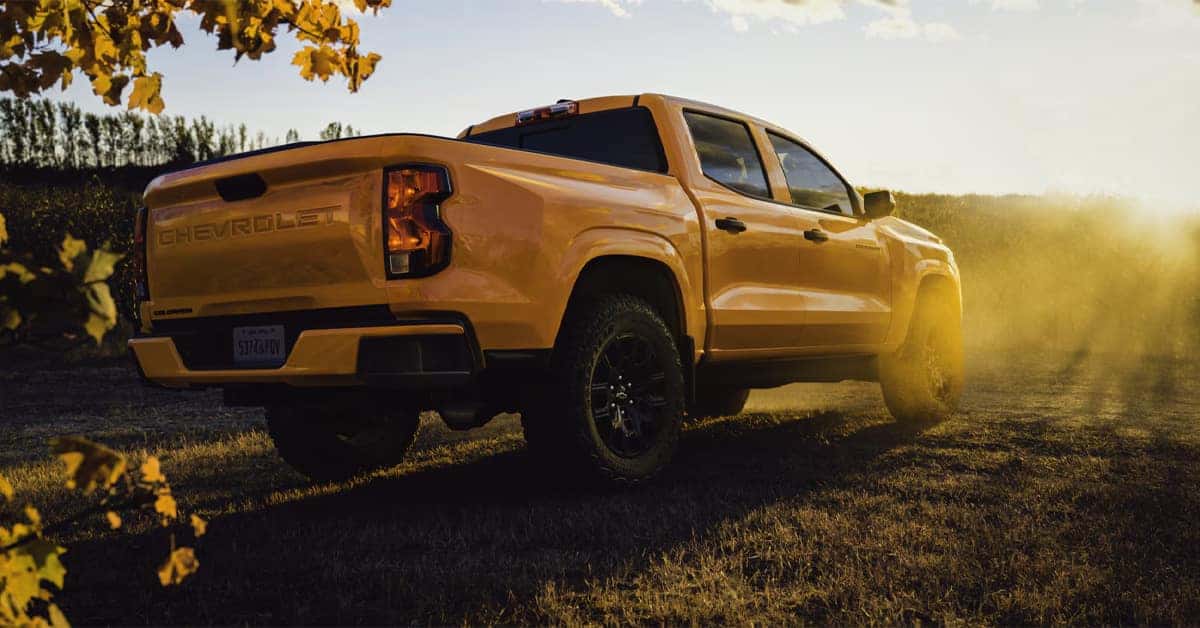 Choosing the right truck starts with understanding the difference between light-duty, medium-duty, and heavy-duty trucks. These categories relate to gross vehicle weight rating (GVWR), intended workload, and vehicle capability. Whether you need a pickup for everyday driving, a truck for towing a camper, or a vehicle for demanding commercial work, understanding these classifications can help you make a more informed decision.
For more than 90 years, Applegate Chevrolet has helped drivers in Flint and Mid-Michigan find vehicles that fit their needs. Our dealership offers new and pre-owned vehicles, financing assistance, certified service, and parts support. From the Chevrolet Colorado to the Silverado lineup, our team can help you compare your options.
Understanding Light-Duty, Medium-Duty, and Heavy-Duty Trucks
The main difference between light vs. medium vs. heavy-duty trucks is their weight classification and intended application. Gross vehicle weight rating, or GVWR, represents the maximum allowable loaded weight of a vehicle, including occupants, cargo, and other applicable loads.
Truck classifications generally follow these ranges:
- Light-duty, Classes 1–3: Up to 14,000 pounds GVWR.
- Medium-duty, Classes 4–6: 14,001 to 26,000 pounds GVWR.
- Heavy-duty, Classes 7–8: 26,001 pounds GVWR and above.
These categories cover a range of commercial vehicles, and a pickup’s actual classification depends on its specific GVWR. For personal transportation and lighter work, the Chevrolet Colorado offers midsize pickup versatility. It can suit daily commuting, home improvement projects, and recreational activities that fall within its rated capabilities. Larger commercial trucks, by comparison, are designed for more demanding hauling, delivery, and vocational applications. Understanding these differences helps you narrow your choices according to what you actually need to carry or tow.
GVWR and Truck Capability Ratings
Understanding Chevrolet truck classes also means knowing how GVWR differs from other important ratings. GVWR applies to the loaded truck itself, while payload capacity describes how much weight it can carry. Towing capacity indicates the maximum permitted trailer weight under specified conditions, and gross combined weight rating (GCWR) covers the loaded truck and trailer together. The Chevrolet Silverado 1500 illustrates how a full-size pickup can balance everyday practicality with substantial capability. Depending on its configuration, it can support work projects, recreational towing, and transporting equipment.
When comparing trucks, consider these details:
- Payload: Account for passengers, cargo, accessories, and applicable hitch weight.
- Towing capacity: Check the maximum rating for the exact engine, drivetrain, and equipment.
- GCWR: Make sure the combined loaded truck and trailer remain within the specified limit.
- Configuration: Cab style, bed length, axle ratio, and installed packages can affect ratings.
Always check the vehicle’s certification label and manufacturer specifications before hauling or towing. Two trucks with the same model name may have different capabilities.
Chevrolet Truck Options for Different Workloads
The Chevrolet Silverado 1500 vs 2500 HD comparison helps explain why choosing the right pickup depends on more than exterior size. Each model serves different needs, and the best fit depends on your typical workload. The Colorado is a midsize option for drivers who want pickup utility without moving to a full-size truck. The Silverado 1500 offers a larger platform for everyday driving, cargo, and recreational towing. For heavier demands, the Silverado HD lineup provides increased towing and hauling capability, with ratings that vary by configuration. The 2026 Chevrolet lineup illustrates these differences.
Chevrolet lists maximum available towing ratings of up to 7,700 pounds for the Colorado, 13,300 pounds for the Silverado, and 36,000 pounds for the Silverado HD under specific configurations and equipment. These figures are maximum ratings, not capabilities shared by every vehicle. Medium-duty commercial vehicles serve another purpose, including delivery routes, utility work, and vocational applications. For drivers in Flint, Applegate Chevrolet offers a place to compare available Chevrolet trucks and discuss which type fits their needs.
Towing and Hauling Requirements
The difference between light and heavy-duty trucks becomes especially important when towing a camper, boat, or work trailer. A truck’s advertised maximum towing capacity is only one part of the calculation. You must also account for the loaded trailer weight, tongue weight, passengers, cargo, hitch equipment, and GCWR. A properly equipped light-duty pickup may handle a smaller camper or utility trailer. Drivers who regularly tow heavier trailers may want to consider a Silverado HD, provided the specific truck meets all applicable weight and equipment requirements.
Before choosing a truck, review the following:
- The trailer’s fully loaded weight.
- The truck’s payload and towing ratings.
- Hitch and tongue-weight limits.
- The combined weight of the loaded truck and trailer.
- Any relevant brake, tire, and equipment requirements.
Do not assume that a truck can safely tow a particular trailer based on engine size alone. Verify the ratings for the exact vehicle and trailer combination.
Choosing a Truck for Flint-Area Driving
When comparing Chevrolet trucks in Flint, MI, consider how you plan to use your vehicle throughout the year. Daily commuting, parking, winter road conditions, work equipment, and recreational towing can all influence your decision. A Colorado may suit drivers who prefer a midsize pickup, while the Silverado 1500 provides full-size versatility. The Silverado HD is worth considering when heavier towing or hauling is a regular requirement. Applegate Chevrolet has served Flint and Mid-Michigan for more than 90 years, welcoming drivers from Burton, Grand Blanc, Davison, Clio, Fenton, and Lapeer. Our team can help you compare new and pre-owned options, review financing resources, and understand the features that matter for your intended use.
What is the difference between light-duty, medium-duty, and heavy-duty trucks?
They are distinguished by GVWR classifications and typical applications, ranging from personal transportation to commercial hauling and heavy vocational work.
How are truck classes determined by GVWR?
GVWR represents the maximum allowable loaded vehicle weight. General classes range from Class 1 through Class 8, with higher classes covering heavier vehicles.
Which Chevrolet trucks fall into each category?
The Colorado and Silverado 1500 are light-duty pickup examples. Silverado HD models serve heavier-duty needs, while Chevrolet also offers separate medium-duty commercial trucks. Exact classification depends on GVWR.
Which truck class is right for towing a camper or trailer?
Choose based on the loaded trailer weight, payload, hitch limits, and the truck’s published towing and combined-weight ratings.
Which Chevrolet truck is the best fit for Flint-area drivers?
The Colorado suits many midsize pickup needs, the Silverado 1500 offers full-size versatility, and the Silverado HD is designed for more demanding towing and hauling.
Find Your Next Truck at Applegate Chevrolet
Drivers from Flint, Burton, Grand Blanc, and Fenton can browse Applegate Chevrolet’s new inventory and used trucks to compare available options. Our team can also help you plan for ongoing ownership with certified service and genuine Chevrolet parts. If you are troubleshooting a towing-related feature, our guide to Tow/Haul Mode offers additional information. Visit Applegate Chevrolet to discuss your truck needs and find a configuration that works for you. Contact us today!
Get Directions to Applegate Chevrolet
Disclaimer: All information is provided for general informational and entertainment purposes only. While we strive for accuracy, we cannot guarantee that all content is complete, current, or error-free. Any reliance you place on such information is strictly at your own risk. This article may include opinions and is not endorsed by, or officially affiliated with, any vehicle manufacturer or brand. Always consult official sources – such as the vehicle’s owner’s manual, authorized dealerships, or certified professionals – for the most up-to-date and personalized information.
0 comment(s) so far on Light vs Medium vs Heavy Duty Trucks: What’s the Difference?