


What to Do When Your Chevy’s Battery Dies While Driving
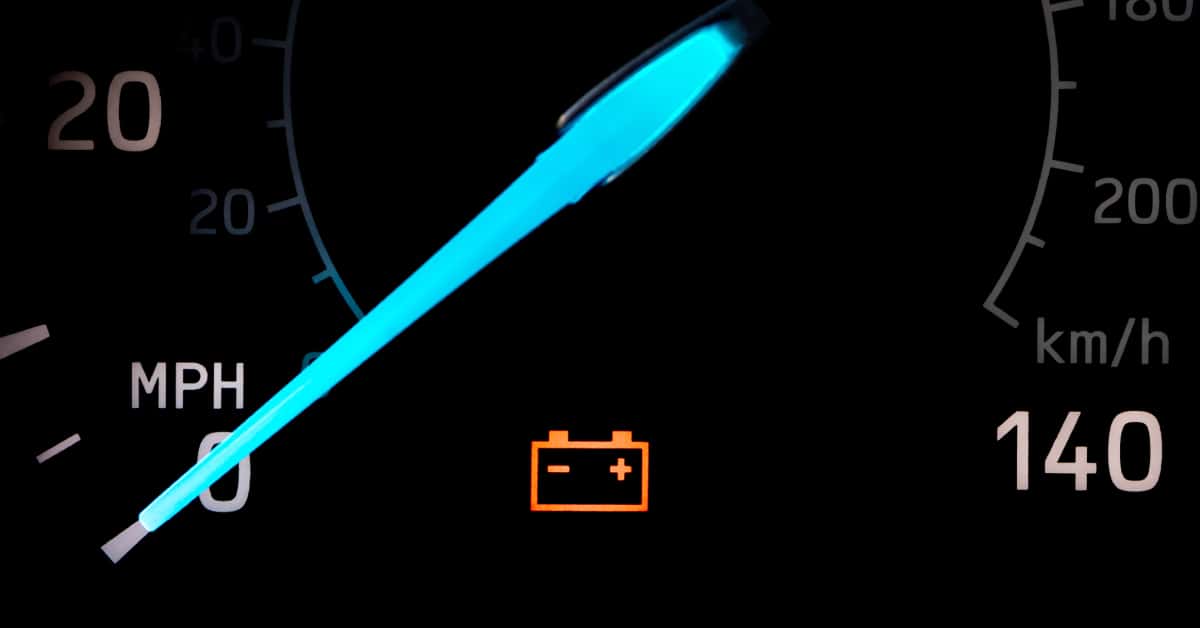
When your Chevy’s battery dies while driving, it can turn a smooth trip into a stressful situation in seconds. Understanding what causes it, how to respond safely, and what steps to take next can make all the difference between a quick fix and a costly breakdown. From recognizing early warning signs to managing your vehicle’s power loss on the road, this guide covers exactly what every Chevy driver should know to stay safe and get back on the road quickly.
At Applegate Chevrolet, we’re more than just your local Chevy dealer — we’re your trusted partner for every stage of vehicle ownership. Whether you need expert battery diagnostics, certified maintenance, genuine Chevy parts, or a dependable new ride, our team is here to help you keep your vehicle running at its best.
For all your automotive needs, from Flint to Grand Blanc, Davison, and Clarkston, give us a call or contact Applegate Chevrolet today.
Step-by-Step Actions to Take When Your Battery Dies on the Road
When the signs of battery dying while driving appear—dim lights, loss of power steering, or a fading radio—it’s important to act fast and stay calm. If your Chevy Silverado loses power, every move you make should focus on safety first and protecting your vehicle from further harm.
Here’s a clear step-by-step guide on what to do next:
- Stay calm and assess. If your truck is still moving, keep both hands on the wheel and look for a safe place to stop.
- Turn on your hazard lights. Let other drivers know you’re slowing down or having trouble.
- Pull over safely. Use your Silverado’s momentum to move to the shoulder or a nearby parking lot.
- Turn off all electrical systems. Shut off lights, the radio, and air conditioning to save what little power may be left.
- Engage the parking brake. Once stopped, make sure your truck is secure.
- Pop the hood. Check the battery cables for looseness, corrosion, or damage.
- Avoid restarting too soon. Restarting right away can drain what’s left of the battery and make things worse.
- Use a portable jump starter or call for help. If you have jumper cables and another vehicle, you may be able to restart your truck safely. Otherwise, contact roadside assistance or a towing service.
By following these steps, you’ll reduce your risk and keep yourself safe until help arrives. Once you’re off the road, have your Silverado inspected by a certified technician to confirm why the battery failed and prevent it from happening again.
Why Jump-Starting Isn’t Always the Answer
When a battery dies while driving a car, many drivers think a quick jump-start will fix the problem. But that isn’t always the case. If your Chevy Equinox shuts down on the road, the issue might be deeper than a weak battery. Jump-starting can help in some cases, but it can also mask or worsen a bigger problem.
Here’s why jump-starting isn’t always the right fix:
- The alternator may have failed. If the alternator stops charging, the battery will keep draining even after a jump.
- It could strain the electrical system. Jump-starting a car with a weak alternator can overload wires and sensitive components.
- Hidden battery damage. A battery that dies while driving may have internal cell damage, which no jump can repair.
- Temporary power only. A jump-start might bring your vehicle back to life briefly, but it won’t hold a charge for long.
- Risk of repeat failure. Driving with an unresolved issue could leave you stranded again within miles.
If your Equinox won’t stay running after a jump, have it inspected right away. A trained technician can test both the battery and the alternator to find the root cause. Fixing the real issue early prevents bigger repair costs and keeps your vehicle reliable for every drive.
Essential Checks After a Battery Failure on the Road
Once you’ve safely stopped and handled the immediate issue, it’s important to inspect your vehicle for lasting damage or warning signs. The battery dying while driving symptoms—like dim lights, engine loss, or flickering gauges—can leave behind clues about what went wrong. Knowing what to check after your Chevy Equinox stalls helps prevent the same issue from happening again.
Here are the key things to check after a battery failure:
- Battery terminals and cables. Look for corrosion, loose clamps, or broken wires. Even a small buildup can block current flow.
- Alternator performance. A bad alternator can drain a healthy battery fast. Listen for whining sounds or check for a warning light.
- Drive belt condition. If the belt that powers the alternator slips or breaks, the battery won’t charge while driving.
- Fuses and relays. A blown fuse in the charging circuit can stop power from reaching the battery.
- Fluid levels. Some older batteries use liquid electrolytes that can run low over time, reducing power output.
- Electrical accessories. Check that systems like lights, wipers, and the radio still function normally.
If any of these checks show signs of trouble, have your Equinox inspected by a certified Chevrolet technician. A full system test can confirm whether the problem came from the battery, alternator, or another part of the electrical system. Taking these steps right away ensures your vehicle stays reliable and ready for every trip ahead.
Recognizing the Signs of a Weak or Dying Battery
When a car battery dies while driving, the signs often appear before your vehicle stops running. Catching these early warnings can help you avoid being stranded. In a Chevy Equinox, as with most vehicles, the battery and charging system give subtle clues that something isn’t right.
Here are some common signs that your battery may be failing:
- Dim or flickering lights. Headlights or dashboard lights that lose brightness often point to a weak power source.
- Warning light on the dashboard. A battery or charging system light may glow when the alternator stops charging the battery.
- Sluggish electrical systems. Windows, radio, or air conditioning may slow down or stop working.
- Engine hesitation. Your Equinox may feel like it’s losing power or struggle to stay running.
- Odd smells. A burning or rotten egg smell may indicate a problem with the battery or charging system.
If you notice one or more of these signs, it’s best to have your vehicle checked soon. A battery that dies while driving often signals an alternator issue or a worn-out battery nearing the end of its life. A quick inspection by a trusted Chevrolet service center can confirm the problem before it leaves you stuck on the road.
How a Dead Battery Impacts Your Chevy’s Key Systems
When the battery died while driving, it doesn’t just stop the engine—it affects almost every system in your Chevy Colorado. Modern vehicles rely on constant electrical power, so a sudden loss can cause several features to shut down at once. Knowing what to expect helps you react safely and avoid further damage.
Here’s how a dead battery can impact your Chevy’s systems:
- Power steering loss. Without electrical support, steering becomes stiff and harder to control.
- Brake assist failure. You may still have brakes, but they’ll require more pressure to slow the vehicle.
- Dashboard blackout. Gauges, warning lights, and the infotainment screen may turn off suddenly.
- Engine stall. Once the battery dies completely, the engine will stop running since the spark plugs need power.
- Reduced lighting. Headlights, taillights, and interior lights may dim or go dark, making it harder to see or be seen.
If your Chevy Colorado begins losing power, pull over safely and avoid restarting until help arrives. A weak battery or bad alternator could both cause this issue, and driving further may damage the vehicle’s electrical system. Having it inspected by a certified Chevy technician ensures each system is tested and restored correctly.
Preventing Battery Failure While Driving
No driver wants to face a situation where the car battery died on the road. Regular care and simple habits can help you avoid the stress and risk of losing power while behind the wheel. Whether you drive a Chevy Colorado or another model, prevention starts with understanding what your battery needs to stay healthy.
Here are practical steps to help prevent battery failure:
- Schedule routine inspections. Have your battery tested at least twice a year to catch weak performance early.
- Keep terminals clean. Remove corrosion using a mix of baking soda and water to maintain a strong connection.
- Avoid short trips. Frequent short drives don’t give the alternator enough time to recharge the battery.
- Turn off accessories when parked. Leaving lights or electronics on can drain power even with the engine off.
- Check the alternator. Make sure it’s charging the battery correctly. A bad alternator is a leading cause of battery drain.
- Watch for slow starts. If your truck cranks slowly or lights dim, it may be time for a replacement.
By building these habits into your routine, you reduce the chance of a sudden breakdown. Keeping your Chevy Colorado in good condition through regular maintenance and battery checks ensures smoother drives and peace of mind every time you start the engine.
Frequently Asked Questions About Battery Failure While Driving
When your Chevy’s battery dies on the road, quick answers can make a big difference. These common questions help drivers understand what to do, how to stay safe, and when to call for help.
What should I do if my Chevy’s battery dies while driving?
- Safely pull over, turn on your hazard lights, and shut down unnecessary electrical systems.
Is it safe to continue driving on battery power alone?
- No, once the alternator stops charging, your vehicle will soon lose all electrical power.
Can a failed alternator cause the battery to die?
- Yes, a bad alternator prevents the battery from recharging and can cause sudden power loss.
How do I safely pull over with a dead battery?
- Use remaining momentum to move off the road, steer smoothly, and engage your parking brake.
Should I call roadside assistance or attempt a jump start?
- Call roadside assistance if unsure; a jump start may not help if the alternator has failed.
These quick answers can guide you in an emergency, helping you make safe decisions until professional help arrives.
Stay Prepared with Expert Help from Applegate Chevrolet
When your Chevy’s battery fails on the road, knowing what to do can help you stay calm and safe. Whether you drive a Silverado, Equinox, or Colorado, Applegate Chevrolet is here to help you get back on track. Our certified service team in Flint proudly serves drivers from Grand Blanc, Davison, and Clarkston with expert care, trusted repairs, and genuine Chevrolet parts. If it’s time to upgrade or replace your vehicle, explore our wide selection of new and pre-owned Chevy models. From durable trucks to family-ready SUVs, we have something for every lifestyle and budget.
You can also visit our service center for diagnostics, battery replacement, or preventive maintenance to help ensure your vehicle stays reliable mile after mile. For drivers interested in keeping their technology running smoothly, check out our Chevy infotainment fixes, Chevy infotainment restarting, and Chevy infotainment screen to learn more about resolving screen or system issues.
Contact Applegate Chevrolet today to schedule service, request a quote, or take your next Chevy for a test drive. Visit us today!
Get Directions to Applegate Chevrolet
Disclaimer: All information is provided for general informational and entertainment purposes only. While we strive for accuracy, we cannot guarantee that all content is complete, current, or error-free. Any reliance you place on such information is strictly at your own risk. This article may include opinions and is not endorsed by, or officially affiliated with, any vehicle manufacturer or brand. Always consult official sources – such as the vehicle’s owner’s manual, authorized dealerships, or certified professionals – for the most up-to-date and personalized information.
0 comment(s) so far on What to Do When Your Chevy’s Battery Dies While Driving